Diabetes Clinic Care That Brings Real Hope
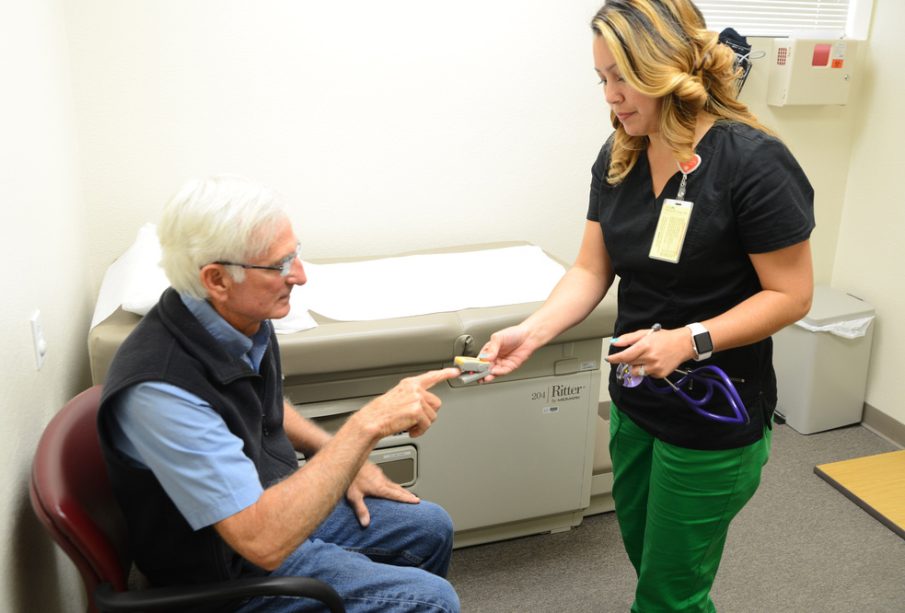
Diabetes clinic care explained simply. Learn how specialized clinics help manage blood sugar, prevent complications, and improve daily life.
A diabetes clinic provides specialized care for managing blood sugar, preventing complications, and improving daily health. These clinics offer personalized treatment plans, education, and ongoing support for people living with diabetes, helping them lead healthier and more confident lives.
Diabetes Clinic: What Makes It So Important? 🩺
Have you ever wondered why managing diabetes feels harder than it should? Many people try to handle it alone and struggle daily. That’s where a diabetes clinic changes everything. It offers focused care, clear guidance, and steady support.
A diabetes clinic is designed for people with Type 1, Type 2, and gestational diabetes. These clinics focus on long-term control, not quick fixes. The goal is simple-help you live well without constant fear of blood sugar swings. With the right care, diabetes becomes manageable, not overwhelming.
How A Diabetes Clinic Helps You Take Control 💙
A diabetes clinic gives you a clear plan instead of confusion. Care is personalized to your age, lifestyle, and health goals. Doctors track your progress closely and adjust treatment when needed. This prevents small problems from becoming serious.
Support doesn’t stop at prescriptions. Clinics focus on education, habits, and emotional health too. You learn why changes matter, not just what to do. That understanding builds confidence and consistency.
Specialized Care Makes A Big Difference 🧠
General care often misses the details diabetes requires. A diabetes clinic focuses only on blood sugar-related health. That level of attention leads to better outcomes and fewer complications. You are not rushed or overlooked.
Care teams usually include doctors, educators, and nutrition experts. Each professional plays a role in your success. This team approach ensures nothing important is ignored. You feel supported at every step.
If you’re searching for a trusted diabetes doctor near me, specialized clinic care can make managing diabetes far less stressful.
A well-equipped diabetes clinic offers personalized treatment plans designed around your daily life and long-term health goals.
Conditions Commonly Treated At A Diabetes Clinic 🧪
Diabetes clinics handle more than high blood sugar. They manage related conditions that often go unnoticed. Early treatment prevents long-term damage. This proactive care protects your future health.
Common conditions treated include:
- Type 1 diabetes
- Type 2 diabetes
- Prediabetes
- Gestational diabetes
- Insulin resistance
Early diagnosis leads to easier management. Clinics focus on prevention just as much as treatment.
Personalized Treatment Plans That Actually Work ✨
No two people experience diabetes the same way. A diabetes clinic builds plans tailored to you. Treatment considers diet, activity, stress, and sleep. Small adjustments make a big difference over time.
Plans are reviewed often and updated as needed. This keeps your blood sugar stable and predictable. You’re not stuck following outdated advice. Care evolves as your body changes.
Medications And Insulin Management Explained 💉
Medication is not one-size-fits-all. Diabetes clinics carefully choose what works best for you. Doctors monitor results and side effects closely. Adjustments happen before problems appear.
Here’s how clinics manage medications:
- Review blood sugar patterns
- Adjust dosages safely
- Educate on insulin timing
- Prevent low sugar episodes
This careful approach improves safety and confidence.
Nutrition Guidance That Fits Real Life 🥗
Food advice can feel confusing and strict. A diabetes clinic makes nutrition practical and realistic. You learn how food affects your blood sugar. No extreme diets or unrealistic rules.
Here’s what nutrition support often includes:
|
Focus Area |
How It Helps |
|---|---|
|
Meal timing |
Keeps sugar levels steady |
|
Portion control |
Prevents spikes |
|
Carb awareness |
Improves balance |
|
Food swaps |
Makes meals enjoyable |
You still enjoy food-just smarter choices.
Blood Sugar Monitoring Made Simple 📊
Tracking blood sugar is essential but often frustrating. Clinics teach you how to read numbers correctly. You learn patterns instead of reacting to single readings. That insight reduces anxiety.
Monitoring plans are customized to your needs. Some people test daily, others less often. The goal is useful data, not stress. This leads to better decisions and stable control.
Preventing Long-Term Diabetes Complications 🛡️
Uncontrolled diabetes can affect the eyes, kidneys, and nerves. A diabetes clinic focuses on early prevention. Regular screenings catch issues before damage occurs. Prevention saves time, money, and health.
Common prevention checks include:
- Eye exams
- Foot assessments
- Kidney function tests
- Heart risk screenings
These checks keep you protected long-term.
Emotional Support Matters More Than You Think 💬
Living with diabetes can feel exhausting. Stress directly affects blood sugar. Clinics understand the emotional side of care. Support improves both mental and physical health.
Many clinics offer:
- Stress management tips
- Lifestyle counseling
- Encouragement during setbacks
Feeling supported improves motivation and results.
Technology Used In Modern Diabetes Clinics ⚙️
Technology has transformed diabetes care. Clinics use advanced tools for accuracy and ease. These tools reduce guesswork and improve outcomes. Care becomes more precise and proactive.
Common tools include:
|
Technology |
Benefit |
|---|---|
|
Continuous monitors |
Real-time sugar data |
|
Smart insulin pens |
Accurate dosing |
|
Digital logs |
Easier tracking |
|
Remote follow-ups |
Better access |
Technology simplifies daily management.
Education That Empowers Long-Term Success 🎓
Knowledge is power with diabetes. Clinics teach skills you use every day. Education helps you make confident decisions. You become your own health advocate.
Education often covers:
- Reading food labels
- Managing sick days
- Understanding sugar trends
- Preventing emergencies
Learning leads to independence and control.
Why Regular Follow-Ups Are Essential 🔁
Diabetes changes over time. Regular visits keep treatment effective. Clinics monitor progress and catch changes early. This prevents setbacks and complications.
Follow-ups help:
- Adjust medications
- Review lab results
- Set new goals
- Reinforce healthy habits
Consistency leads to stability.
Choosing The Right Diabetes Clinic For You 🔍
Not all clinics offer the same level of care. Choosing wisely makes a difference. Look for experience, communication, and patient-focused care. Comfort matters as much as expertise.
Here’s what to consider:
- Specialized diabetes care
- Clear communication
- Personalized treatment
- Ongoing support
The right clinic feels like a partner, not a lecture.
Diabetes Care For All Ages And Stages 👨👩👧
Diabetes affects children, adults, and seniors differently. Clinics adapt care for every life stage. This ensures safe and effective treatment at all ages. Needs change, and care adjusts.
From pediatric care to senior support, clinics stay flexible. This lifelong approach improves outcomes. Care grows with you.
Conclusion: A Smarter Way To Live With Diabetes 🌟
A diabetes clinic offers focused, personalized care that goes beyond basic treatment. It helps you manage blood sugar, prevent complications, and feel confident daily. With expert guidance and ongoing support, living well with diabetes becomes achievable and sustainable.
FAQs About Diabetes Clinics
What does a diabetes clinic do for patients?
A diabetes clinic provides specialized care for managing blood sugar levels. It focuses on treatment, education, and prevention. The goal is long-term health and stability.
Is a diabetes clinic better than general care?
Yes, diabetes clinics offer focused expertise. They monitor details general care may miss. This leads to better control and fewer complications.
How often should I visit a diabetes clinic?
Most patients visit every three to six months. Frequency depends on blood sugar control. Regular visits improve long-term outcomes.
Do diabetes clinics help with diet plans?
Yes, clinics provide realistic nutrition guidance. Plans fit your lifestyle and preferences. This makes changes easier to maintain.
Can a diabetes clinic prevent complications?
Absolutely. Early monitoring and personalized care reduce risks. Prevention is a core focus of diabetes clinics.